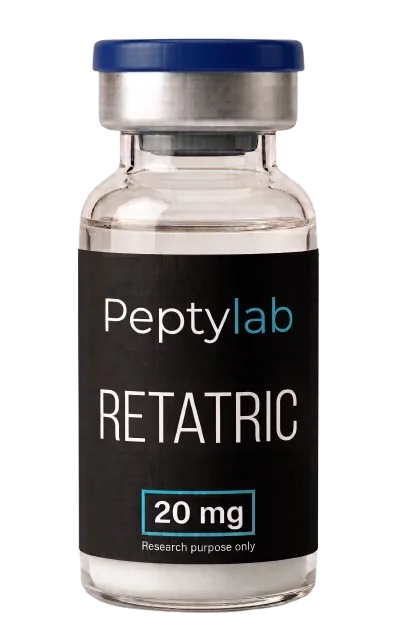
Cold chain in the transport of research materials
How transport affects the stability of lyophilised research peptides, when cooling is genuinely necessary, and what to check once the shipment arrives.
A good deal of confusion surrounds the transport of research materials, and the most common version runs: 'if peptides are stored at -20 °C then every shipment has to travel on dry ice'. In practice a lyophilisate and a solution are two entirely different situations.
Lyophilisate tolerates transport at ambient temperature
Material in dry form is substantially more stable than in solution. Short transport at room temperature is the industry standard for a lyophilisate - what matters is the conditions the material is kept in after delivery, not the few dozen hours it spent in transit.
What actually causes harm
- Prolonged exposure to high temperature, e.g. a parcel left in direct sunlight.
- Repeated freeze-thaw cycles.
- Moisture where the packaging seal has been compromised.
- Direct light over an extended period.
Collecting the shipment
The weakest link in the chain is usually not the carriage itself but the time between delivery and collection. A parcel sitting for several days in a parcel locker in summer is in worse conditions than the same parcel in transit. Collect shipments as promptly as you can and move the material into its intended storage conditions straight away.
Note
We supply these materials for laboratory research use only (RUO) - not for consumption by humans or animals and not for clinical applications. They are not a medicine, a medicinal product or a dietary supplement.