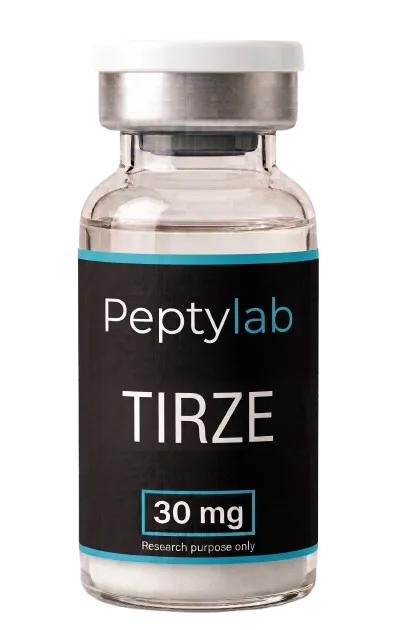
Storing and handling research reagents
How to store research materials so they retain their quality: lyophilised form, temperature, protection from light and moisture, freeze-thaw cycles and traceability.
How you store a research material determines whether it retains its declared quality. Reagents - especially in lyophilised form - are sensitive to temperature, moisture and light. Below are general principles for handling research materials in the laboratory.
Lyophilised form (powder)
Many research materials are supplied as a lyophilisate, a powder dried by freeze-drying. In this form they are relatively stable as long as they stay dry and cool. The key is to limit contact with atmospheric moisture - keep the container tightly sealed.
Temperature
The general rule is to store cool. Refrigerated conditions (roughly 2-8 °C) are often used for short-term storage, and freezing (e.g. -20 °C or below) for long-term storage. Always follow the guidance given for the specific material.
Light and moisture
Protect the material from direct light and moisture. Store it in its original, tightly sealed packaging, and keep vials away from heat sources and water vapour.
Freeze-thaw cycles
Repeatedly freezing and thawing the same sample can degrade its quality. Where possible, limit the number of cycles - plan your work so the material only leaves cold storage when it is actually needed.
Labelling and traceability
Keep markings legible: the name of the material, the batch number and the date. That way you can link a sample to its certificate of analysis (COA) at any time and keep your laboratory records in order.
General safety principles
Follow good laboratory practice: wear gloves, avoid contact with skin and eyes, do not eat or drink in the laboratory, and keep records. These are research materials - handle them with the care appropriate to reagents.
Summary
We supply these materials for laboratory research use only (RUO) - not for consumption by humans or animals and not for clinical applications. They are not a medicine, a medicinal product or a dietary supplement.