Goods-in check - what to verify when research material arrives
A goods-in checklist for research materials: label against certificate, condition of the seal, batch documentation and the right moment to raise a complaint.
Goods-in is the point at which detecting a problem costs the least. A few minutes while unpacking saves weeks of doubt when interpreting results.
Checklist
- Outer packaging intact, with no signs of damp.
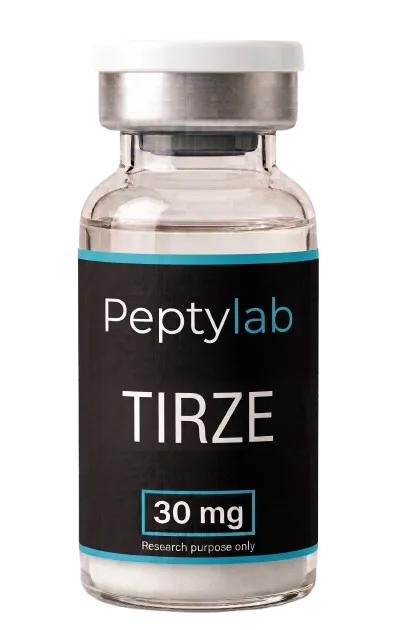
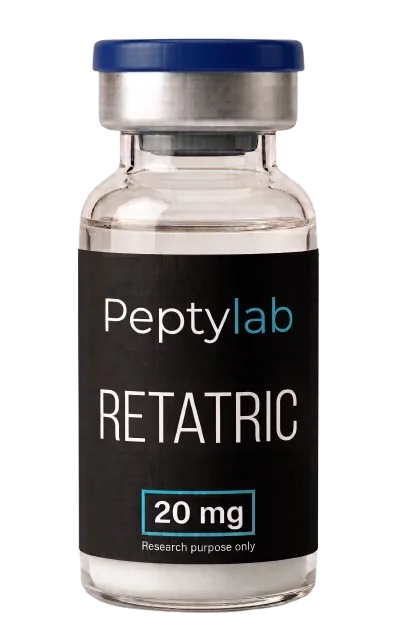
- Seal and vial cap untouched.
- Name of the material on the label matching the order.
- Batch number on the label matching the number on the certificate of analysis.
- Certificate enclosed or available to download for this specific batch.
- Lyophilisate dry, with no signs of moisture.
Goods-in records
In laboratory practice it is worth recording the date of receipt, the batch number and the conditions the material went into storage under. That way any later result can be linked to a specific batch and its history - the basis of reproducibility.
When something does not match
Raise any complaint before opening the vial, quoting your order code and the batch number. Bear in mind that sealed packaging cannot be returned once the seal is broken - which is exactly why conformity is verified while the packaging is still intact.
Note
We supply these materials for laboratory research use only (RUO) - not for consumption by humans or animals and not for clinical applications. They are not a medicine, a medicinal product or a dietary supplement.