How to read a certificate of analysis (COA)
A certificate of analysis (COA) is the evidence of batch quality. We explain which fields to look at: identity, batch number, purity, analytical method and date.
A Certificate of Analysis (COA) is a document that a manufacturer or laboratory attaches to a specific batch of material. It describes what the batch contains and how it was tested. In research work a COA is the primary evidence of identity and quality - which is why it pays to know how to read one.
What a COA should contain
- The name of the material and its unambiguous designation (e.g. a CAS number, where applicable).
- The batch/lot number - this links the document to a specific, physical batch.
- The determined purity, usually expressed as a percentage.
- The analytical method used for the determination.
- The date of analysis and the details of the laboratory or responsible entity.
Batch number and traceability
The batch number is the single most important element connecting paper to product. A certificate only means something when the batch number on the document matches the marking on the packaging in your hand. That is what ties the analytical result to exactly this material rather than to some earlier delivery.
How to interpret purity
Purity tells you what proportion of the material is the substance being determined and what proportion is impurities or process residues. Always read it together with the method - the certificate should state which technique was used, because different methods answer different questions (e.g. identity vs. content).
Date and context
Check the date of analysis - a COA describes the state of the batch at the time of testing. Also note who issued the document and whether it includes contact details for the responsible entity. A complete, legible certificate is a signal of a reliable supplier.
Quick checklist
- Does the batch number on the COA match the packaging?
- Are both the determined purity and the analytical method stated?
- Is there a date of analysis and details of the issuer?
- Are the name and designation of the material unambiguous?
Our approach
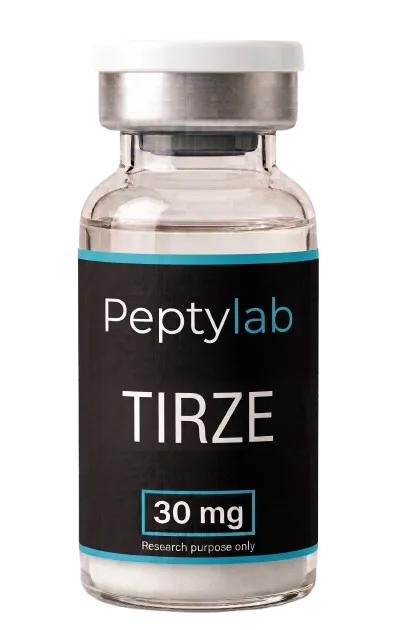
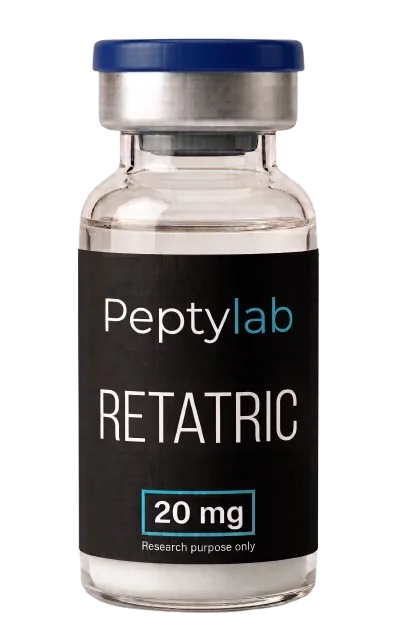
At Peptylab every batch comes with a certificate of analysis, and the purity we declare matches the values given in the COA. We supply these materials for laboratory research use only (RUO) - not for consumption by humans or animals and not for clinical applications. They are not a medicine, a medicinal product or a dietary supplement.