How peptide identity is confirmed - HPLC and mass spectrometry
Why describing a batch of research material takes two methods: chromatography speaks to homogeneity, mass spectrometry to the identity of the molecule.
A sound certificate of analysis for a peptide rests on two complementary questions: 'is the material homogeneous?' and 'is this definitely that molecule?'. Chromatography answers the first, mass spectrometry the second.
Chromatography - homogeneity
HPLC separates the sample and shows how many different substances it contains and in what proportions. A single, narrow, symmetrical main peak signals that the material is homogeneous. The chromatogram does not, however, tell you which molecule forms that peak.
Mass spectrometry - identity
Mass spectrometry (MS) measures the mass-to-charge ratio of ions. The result is compared with the molecular weight calculated from the amino acid sequence. Agreement between the measured and theoretical mass is the basic evidence that the material is what its name declares.
What should match
- The measured mass (MS) within error against the theoretical mass calculated from the sequence.
- The amino acid sequence on the certificate consistent with the name of the material.
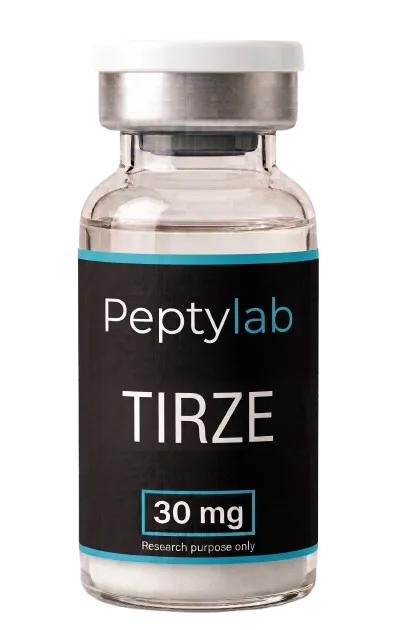
- An identical batch number on the chromatogram, in the MS report and on the vial label.
Warning signs
- A certificate with a purity figure alone, without a chromatogram and without a spectrum.
- A document with no batch number, or with a number that does not appear on the packaging.
- A declared molecular weight inconsistent with the stated sequence.
Note
We supply these materials for laboratory research use only (RUO) - not for consumption by humans or animals and not for clinical applications. They are not a medicine, a medicinal product or a dietary supplement.